Ichthyosis of the skin, what is it?
Ichthyosis is a genetic skin disease characterized by an alteration in the process of keratinization, or the formation of the stratum corneum, the most superficial part of the skin. The name comes from the Greek ichthys (fish), because the skin takes on an appearance similar to the scales of a fish.
There are several forms of cutaneous ichthyosis, varying in severity and clinical manifestations. Of these, ichthyosis vulgaris is the most common and least severe form, with an incidence of about 1 in 250 people.
What does ichthyosis look like: symptoms
Ichthyosis manifests with symptoms that can vary in intensity depending on the form and severity of the condition. The most common signs include:
– Extremely dry skin all over the body
Continuous skin desquamation with formation of whitish or grayish scales
– Thickening of the skin, especially on legs, arms, and abdomen
– Cracking and fissuring, particularly on palms of hands and soles of feet
– Itching and tightness of the skin
Based on the origin and clinical features, different forms of ichthyosis are distinguished:
-
Ichthyosis vulgaris This is the most common and mild form, often hereditary. It manifests as thin scales, especially on legs and arms, and tends to improve with age.
-
Lamellar ichthyosis Rarer and more severe form, present from birth, characterized by thick, dark scales spread over much of the body.

What are the causes of Ichthyosis?
Ichthyosis is mainly caused by genetic alterations that impair the normal process of skin cell renewal and maturation. Under normal conditions, the skin constantly eliminates dead cells; in ichthyosis this mechanism is defective, resulting in keratin accumulation and scale formation.
How to treat ichthyosis
There is no definitive cure for hereditary ichthyosis, but it is possible to alleviate symptoms and significantly improve quality of life with consistent and targeted treatment. The goal is to reduce the accumulation of scales.
As a cosmetic adjuvant for the treatment and cure of ichthyosis-related skin manifestations, we recommend:
- Apply Glycocream+ daily in the evening, massaging gently until completely absorbed. The acids (glycolic, salicylic, succinic) in the product helps smooth the skin by promoting cell turnover and reducing skin thickening.
- For drier and thickened areas, you can apply Extreme Emollient Ointment, after washes, this product creates a protective barrier and helps retain water in the skin.

CLEANSING
Proper cleansing is essential to avoid aggravating skin dryness. We recommend:
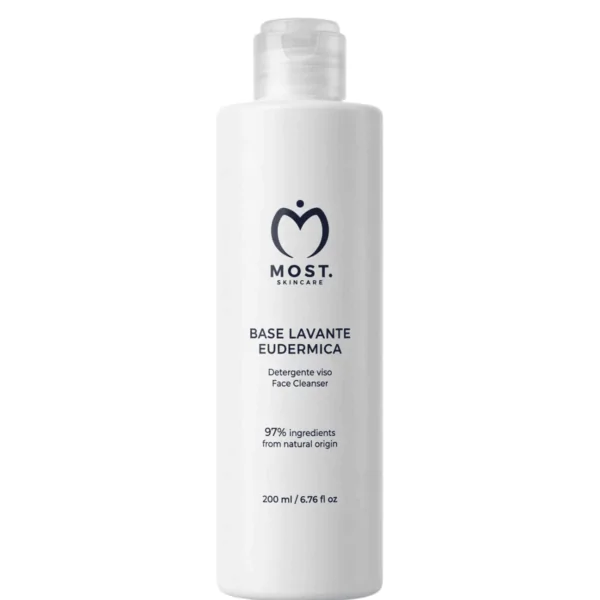
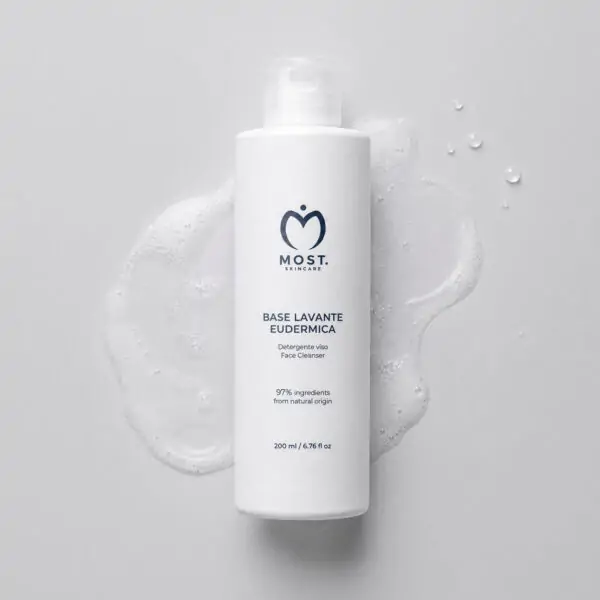
- Use Eudermic Cleansing Base for daily washes, a gentle foam-free cleanser that can clean the skin without removing lipid protective factors
- Prefer short showers with lukewarm water (never hot)
- Apply Extreme Emollient Ointment immediately after washing

TO AVOID
To prevent worsening the symptoms of ichthyosis, it is important to avoid:
- Aggressive and foaming detergents
- Excessively hot and prolonged baths or showers
- Exposure to cold and dry climates without adequate protection
- Synthetic fabrics in direct contact with skin
- Products containing perfume or alcohol
FAQ
Dry skin (skin xerosis) is a functional and often transient condition due to an alteration of the skin barrier. It can be influenced by environmental factors (climate, frequent washing, harsh cleansers), physiological conditions such as skin aging. It usually improves with a proper cosmetic routine, based on gentle cleansing and use of specific emollient products.
Ichthyosis, on the other hand, is a chronic dermatological condition of genetic origin, characterized by persistent scales and present since childhood, requiring ongoing treatment.
It is essential to follow the instructions of the pediatrician or dermatologist, who will evaluate any specific therapies in severe cases.